
What is Microsoft Azure?
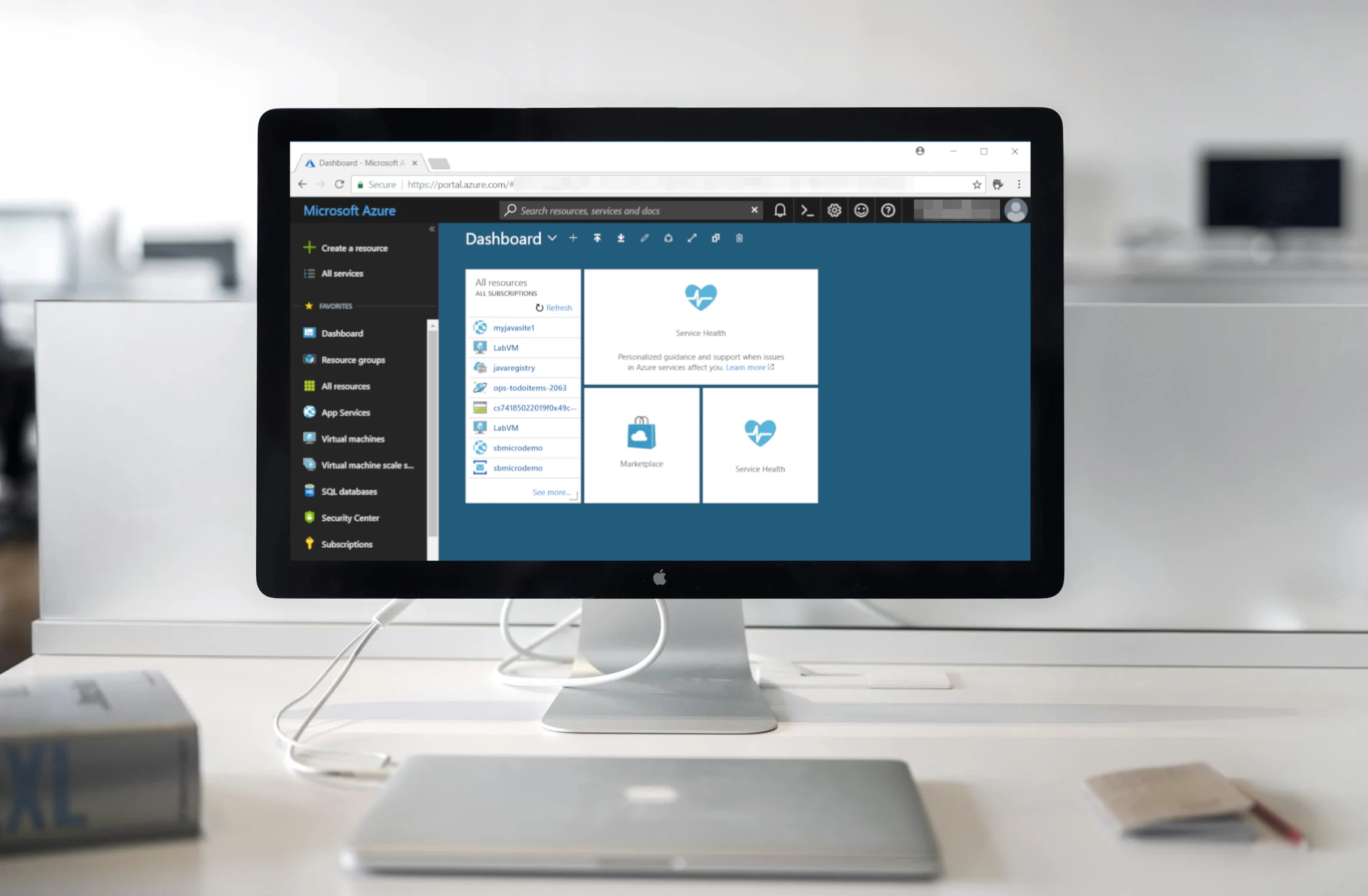
Running Your Company's Digital Infrastructure on the Cloud
Infrastructure as a Service (IaaS) has become a powerful and cost-effective solution for modern businesses. Cloud offerings provide exceptional uptime, scalability, and customization capabilities. Many organizations find that transitioning to an IaaS model helps drive productivity, optimize data management, and achieve financial growth.
The Benefits of the Cloud
The primary advantage of cloud infrastructure is significantly lower initial costs. Organizations avoid expensive hardware purchases and real estate requirements, paying only for services consumed. This approach allows startups to allocate resources toward research, development, and marketing rather than infrastructure expenses.
IaaS solutions offer flexibility and scalability that traditional on-premises data centers struggle to match. Businesses can quickly provision and deprovision resources based on demand, responding rapidly to market changes and customer needs, particularly valuable for organizations experiencing seasonal fluctuations or unexpected growth.
Companies operating on-premises data centers often face substantial recurring expenses: dedicated IT staff, maintenance, and power consumption costs that escalate significantly during expansions or hardware upgrades. Cloud infrastructure provides superior stability with built-in redundancies, making downtime virtually non-existent.
Azure and the Cloud
Microsoft Azure leverages over 100 data centers across 50+ regions worldwide, establishing one of the largest cloud infrastructures available. This global presence enables high availability, low latency, and reliable, fast applications and services accessible from anywhere on any device.
Azure integrates seamlessly with existing Microsoft products, making it ideal for organizations already using Office 365 and other Microsoft solutions. Users can create virtual machines, storage accounts, and virtual networks while accessing development tools like Azure SQL Database, Azure Cosmos DB, and Azure Functions for building cloud-native applications.
Protection with Azure
Azure provides comprehensive security through Azure Security Center and Azure Information Protection, helping organizations safeguard data and applications. Monitoring tools like Azure Monitor and Azure Log Analytics deliver insights into application and service performance.
For organizations hesitant about complete cloud migration, Azure's Hybrid Cloud capabilities allow access to Azure's full toolset while maintaining existing on-premises infrastructure.
The pay-as-you-go pricing model ensures organizations only pay for services used, with no hidden fees or surprise charges.