
Two Factor Authentication: Should You Do It?
What Is Two-Factor Authentication?
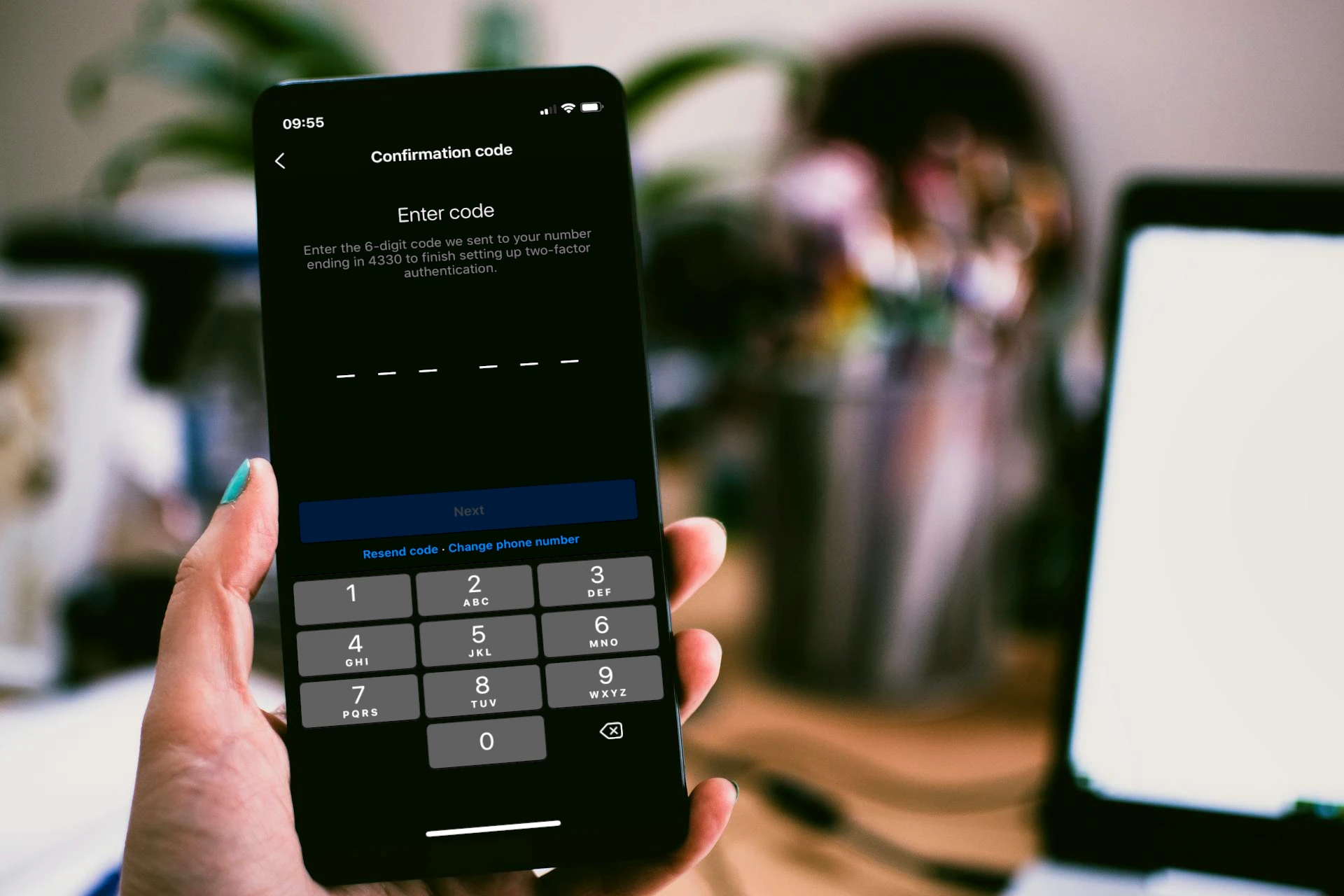
Two-factor authentication (2FA) requires more than just a username and password. "A second factor, like a randomly generated code sent to your phone" must also be provided. This second verification typically comes through another device via SMS, email, or authentication applications.
Properly implemented 2FA offers two key advantages:
- A secondary authentication layer protects against brute force attacks, where hackers run programs attempting thousands of password combinations
- It embodies Zero Trust Security principles by accounting for human error and preparing systems accordingly
The Risks Of Two-Factor Authentication
The primary vulnerability involves SMS interception. Attackers possessing both a password and phone number can potentially intercept text-based authentication codes. Using an authenticator app instead of SMS mitigates this risk, since the app generates a number that's only usable for 30 to 40 seconds.
2FA also introduces user experience challenges. Users must have a second device available, which increases lockout risks and inconvenience.
The Benefits Outweigh The Risks
Implementation is straightforward, and security advantages substantially exceed the drawbacks. Organizations handling sensitive information should prioritize 2FA deployment. Customers gain confidence knowing their data receives serious protection, creating competitive advantage in an environment where data breaches occur regularly.
Should You Adopt Two-Factor Authentication?
Yes, particularly if your organization manages sensitive data. Whether using SMS or authenticator applications, 2FA represents a worthwhile security investment that builds customer trust.