
Is SMS Spoofing A Threat To 2FA?
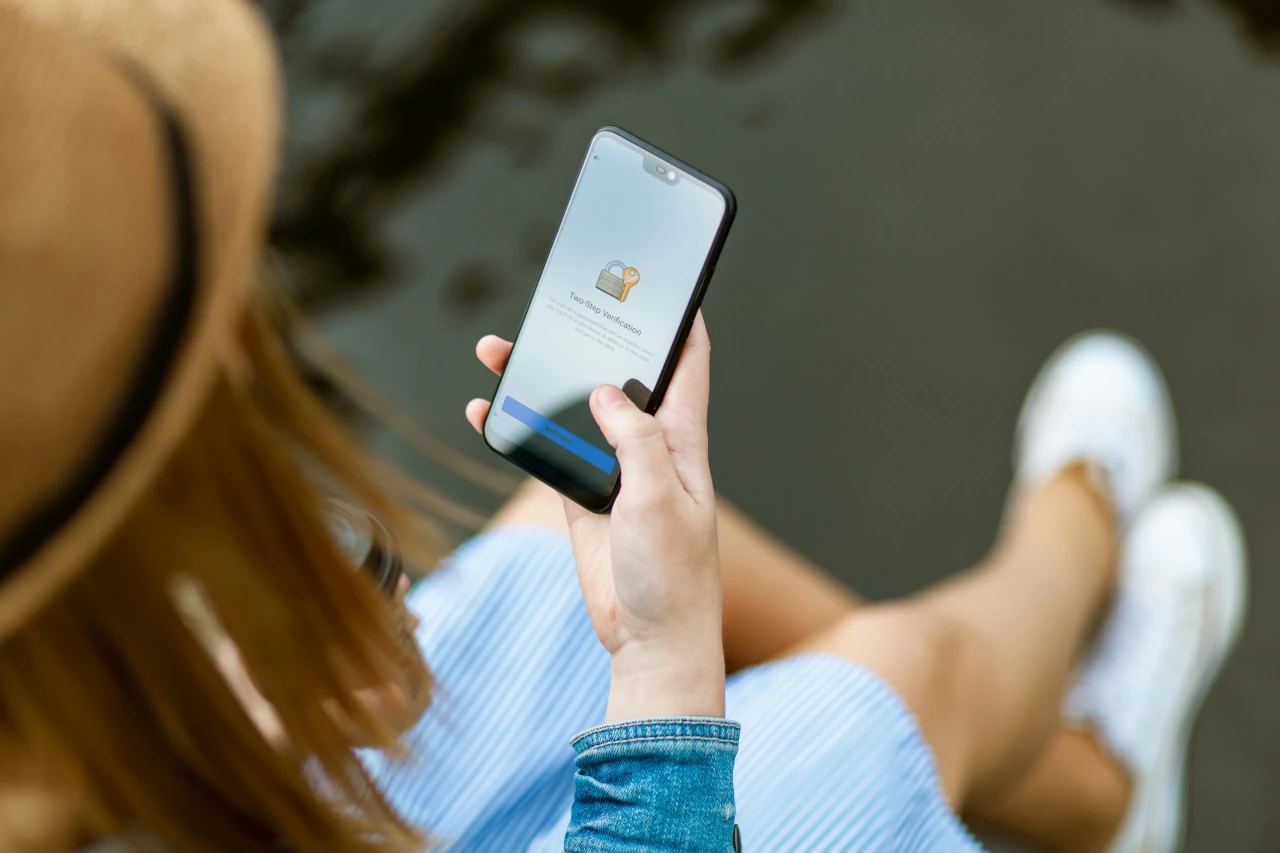
When securing data in the cloud, two-factor authentication (2FA) has become standard across major platforms like Amazon and Google. However, SMS-based 2FA, while generally secure, has vulnerabilities that sophisticated attackers can exploit.
SMS Spoofing With 2FA
SMS spoofing represents a real threat to SMS-based 2FA systems. A white hat hacker group called Positive Technologies previously demonstrated how attackers could gain access to accounts protected by 2FA by exploiting Signaling System No. 7 (SS7), "a system that cell networks use to send and receive messages, including SMS."
The attack works by intercepting SMS text messages containing authorization codes, allowing attackers to reset passwords and lock legitimate users out of their accounts. While this requires technical sophistication, it's not impossible for determined threat actors.
What Are Authenticator Apps?
Authenticator apps offer a more secure alternative to SMS-based 2FA. These standalone applications generate random numbers that change every 30–60 seconds, making them significantly harder to compromise. Since the codes are generated locally on your device rather than transmitted via network infrastructure, they avoid the vulnerabilities inherent in SMS systems. However, users must maintain device security and avoid malicious software.
What Are YubiKeys?
YubiKeys are physical hardware devices that function like key fobs for account authentication, typically connecting via USB ports. Hardware-based 2FA represents one of the most secure authentication methods available, though users risk losing account access if the device is misplaced and face potential difficulties regaining access through vendor support.
How To Decide?
Choosing between 2FA methods depends on your security needs and use case. Hardware solutions offer maximum protection for highly sensitive data, while application-based 2FA provides better user experience at lower cost. Even basic SMS 2FA works adequately if elaborate attacks seem unlikely for your situation.